
Get in touch
07971191029Working Hours
Mon - Sat 9:00 - 6:30Get in touch
07971191029Working Hours
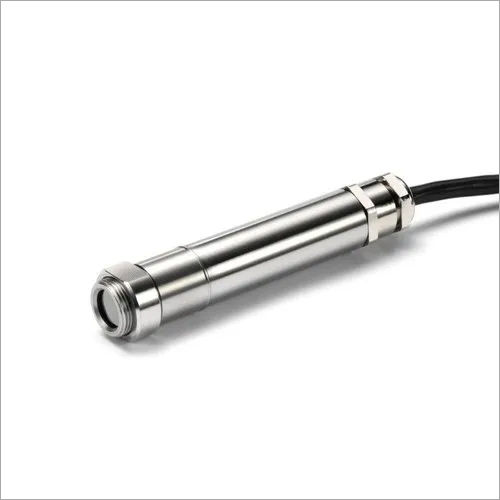
Mon - Sat 9:00 - 6:30Infrared Temperature Sensor focus the infrared radiation released by an item onto one or more photodetectors to perform their function. It creates an electrical signal from that energy that is proportional to the infrared energy the object is emitting. This product uses a lens to direct the infrared light through the object emits toward a thermopile detector. The thermopile is nothing more than a series or parallel connection of thermocouples. Infrared radiation strikes the surface of the thermopile, where it is absorbed and transformed into heat.
| Temperature Range | -20 to 500 Deg C |
| Brand | LeverTech |
| Accuracy | 0.5 Deg C |
| Application | Industrial |
| Response Time | 125 ms |
| Emissivity | 0.95 |
| Supply Voltage | 12 to 24 V DC |
| Supply Current | 4-20 mA |
| IP Ratings | I[65 |

Price:
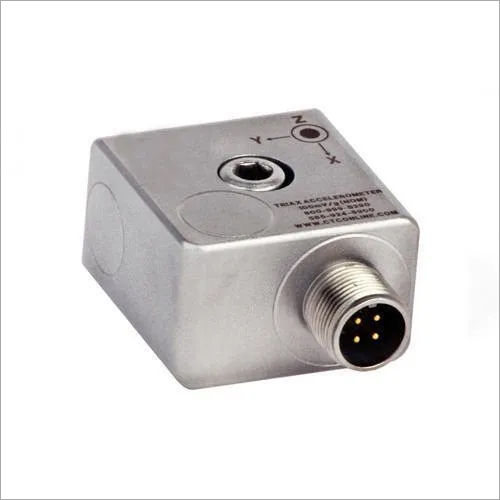
Price 78000 INR / Piece
Minimum Order Quantity : 10 Pieces
Material : Metal body
Usage : Industrial Vibration Monitoring
Sensor Type : Vibration/Acceleration Sensor
Sensitivity : 10 mV/g or more (typical, check exact value)
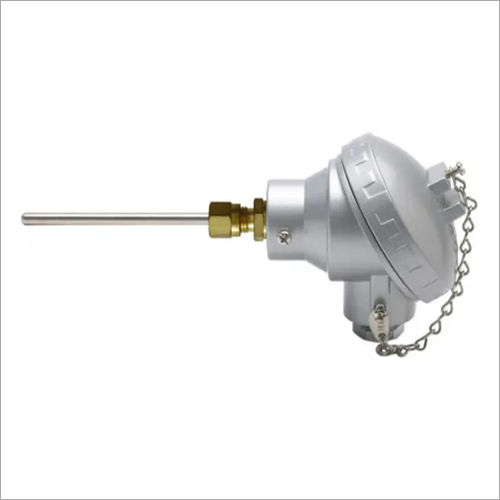
Price 650 INR / Piece
Minimum Order Quantity : 10 Pieces
Material : SS
Usage : Industrial
Sensor Type : RTD (Resistance Temperature Detector)
Sensitivity : ~0.385 /C
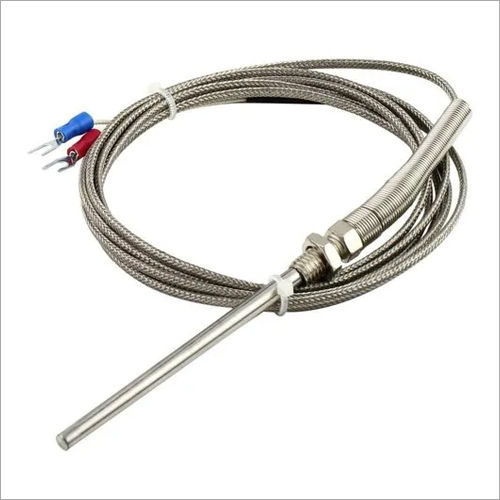
Price 800 INR / Piece
Minimum Order Quantity : 10 Pieces
Material : Stainless Steel Probe with Braided Wire
Usage : Industrial
Sensor Type : RTD (Resistance Temperature Detector), PT100
Sensitivity : ~0.385 /C (for PT100)

Price 2500 INR / Piece
Minimum Order Quantity : 10 Pieces
Material : SS
Usage : Industrial Automation, Process Control
Sensor Type : Piezoresistive
Sensitivity : Standard


GST : 24AABCZ3538N1ZY



 Send Inquiry

 Send Inquiry
 Send Inquiry
 Send SMS
 Call Me Free


 English
 Spanish
 French
 German
 Italian
 Chinese (Simplified)
 Japanese
 Korean
 Arabic
 Portuguese