About Water Level Sensors
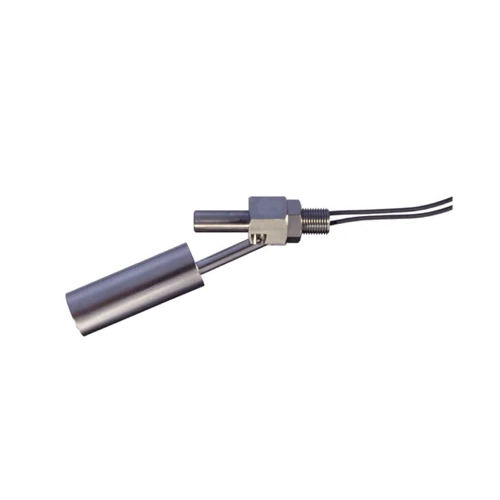
Water level sensors are sophisticated devices designed to accurately measure and monitor water levels in a variety of applications including tanks wells reservoirs and other storage systems. These sensors use various technologies such as floats capacitive ultrasonic or radar to detect and gauge water levels. The sensor converts the detected level into an electronic signal which is then displayed digitally or transmitted to control systems for real time monitoring.
The devices are typically equipped with features such as adjustable setpoints which can trigger alarms or activate control systems when water levels reach predefined thresholds ensuring timely responses to high or low water conditions. Many models offer additional functionalities such as data logging, remote monitoring, and integration with automation systems.
Constructed from durable corrosion resistant materials water level sensors are built to withstand harsh environmental conditions and ensure long-term reliability. They are essential for applications in water treatment facilities irrigation systems industrial processes and residential water management providing accurate and reliable data to optimize water usage and prevent potential issues.
| Process Temperature |
-20 to +100 Deg C |
| Media |
Liquid |
| Housing Material |
Stainless Steel |
| Switching Output |
PNP/NPN |
| Switching Mode |
NO/NC |
| IP Protection Class |
IP68 |
Precision Engineering for Industrial SettingsDesigned with stainless steel and advanced resistive technology, our water level sensors deliver accurate readings in even the most challenging environments. Their broad operating temperature range ensures reliability across diverse industrial applications, making them the top choice for both rugged and sensitive settings.
Wireless Convenience and Easy IntegrationOur wireless water level sensors use PWM signal output, simplifying installation and integration with control systems. They ensure hassle-free monitoring and reduce maintenance, while wireless connectivity enables seamless data transfer for real-time water management solutions.
FAQ's of Water Level Sensors:
Q: How do these water level sensors operate in industrial environments?
A: These water level sensors use a resistive sensor module made of stainless steel to detect water levels accurately. Their wireless functionality and PWM signal output enable effective monitoring and real-time data transmission, even in harsh industrial conditions ranging from -20C to +100C.
Q: What are the main features and benefits of the water level sensors?
A: Key features include stainless steel construction, resistive sensitivity, wide operating temperature, wireless capability, and PWM signal output. These combine to offer high accuracy, durability, easy installation, and seamless integration-ideal for industrial usage.
Q: When should you use a wireless water level sensor?
A: Wireless water level sensors are most beneficial in situations where remote monitoring is required, cabling is inconvenient, or frequent maintenance access is a challenge. They are suited for continuous level detection in reservoirs, industrial tanks, or water management systems.
Q: Where can these sensors be deployed for maximum efficiency?
A: These water level sensors are perfect for industrial environments, including manufacturing plants, water treatment facilities, and storage tanks. Their robust construction and wide temperature tolerance make them suitable for both indoor and outdoor applications across various sectors in India.
Q: What is the process for integrating these sensors with existing control systems?
A: Integration is straightforward as these sensors transmit signals wirelessly using the PWM output standard. They can be easily configured to interface with common industrial controllers, data loggers, or automation systems, streamlining setup and operational workflows.
Q: How does the warranty policy benefit exporters, importers, and other users?
A: The included warranty ensures that users, including exporters, importers, manufacturers, service providers, and traders, are protected against defects, promoting reliability and confidence in long-term use of the sensors within their operations.







 Send Inquiry

 Send Inquiry
 Send Inquiry
 Send SMS
 Call Me Free


 English
 Spanish
 French
 German
 Italian
 Chinese (Simplified)
 Japanese
 Korean
 Arabic
 Portuguese