About Signal Isolator
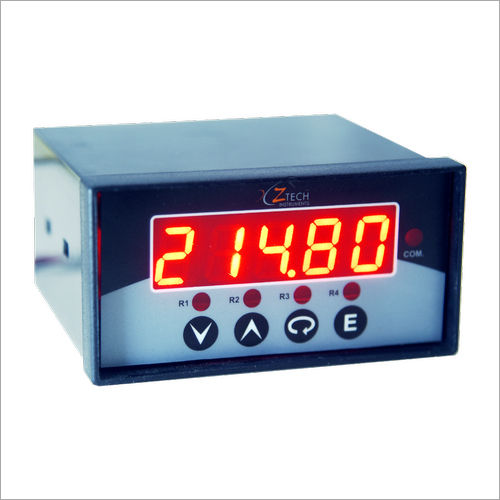
Signal Isolator is a piece of electrical equipment designed to eliminate earth loop faults brought on by noise and signal interference issues. It uses a variety of electronic techniques to break the two ground connections while sending a precise signal accurately or with little loss. This product is used in settings where electrical isolation is crucial for safety, such as industrial, medical, and other settings. Signal Isolator can also be used to step down risky, high-voltage signals to safe levels, amplify signals, allow the addition of instruments to an overloaded loop, and more.
| Usage/Application |
Signal Isolation |
| Mounting Type |
Vertical |
| Brand |
Ztech |
| Output |
0/4-20 mA DC,0 -10V DC,1- 5V DC |
| Mounting |
Wall / Din rail |
| Input |
0/4-20 mAdc,0 -10 Vdc,1-5 Vdc |
| Model |
ZT705 |
Versatile Signal Range CompatibilityEffortlessly configure both input and output signals to suit a variety of automation requirements, selecting from 4-20 mA, 0-10 V, or 0-5 V ranges. This adaptability makes the isolator compatible with diverse control systems and instrumentation across industries.
Reliable Electrical IsolationWith a dielectric strength exceeding 2kV, this device provides robust galvanic isolation between input, output, and power supply, minimizing the risk of electrical interference, system failures, or hazardous ground loops. This design protects sensitive control equipment and operators alike.
Easy Installation & MonitoringThe isolator's DIN rail mount design ensures quick and secure installation in standard electrical panels. Clearly labeled screw terminals simplify wiring, while LED indicators allow for rapid visual checks on power status and signal integrity.
FAQ's of Signal Isolator:
Q: How do I configure the input and output signal ranges on the Signal Isolator?
A: The Signal Isolator is designed with configurable input and output settings. You can select between 4-20 mA, 0-10 V, or 0-5 V by following the instructions provided in the user manual, which typically involves setting DIP switches or jumpers on the device.
Q: What is the process for mounting the signal isolator onto a DIN rail?
A: To mount the device, simply snap it onto a standard DIN rail in your control panel. The enclosure is designed for a secure DIN rail fit, with screw terminal connections for easy and safe electrical wiring.
Q: Where is this signal isolator typically used?
A: This isolator is commonly utilized in industrial automation, control panels, and instrumentation systems where reliable electrical isolation and precise analog signal transmission are required. It is especially valuable for preventing ground loop issues.
Q: When should I use a signal isolator in my measurement or control system?
A: Use a signal isolator whenever you need to break the ground path between devices, protect against electrical noise, or convert between signal formats. It is essential when precise and interference-free analog signal transmission is needed.
Q: What are the benefits of using dual channel options versus single channel?
A: Dual channel versions allow simultaneous isolation and transmission of two analog signals in one device, saving space and wiring effort. This enhances installation flexibility and can lower overall system costs.
Q: How does the device indicate power or signal status?
A: The signal isolator includes dedicated LED indicators. Power status LEDs confirm device energization, while signal LEDs provide quick visual feedback on transmission status for easy monitoring and troubleshooting.









 Send Inquiry

 Send Inquiry
 Send Inquiry
 Send SMS
 Call Me Free


 English
 Spanish
 French
 German
 Italian
 Chinese (Simplified)
 Japanese
 Korean
 Arabic
 Portuguese