About Electronic Indicators
Electronic Indicators Product Description
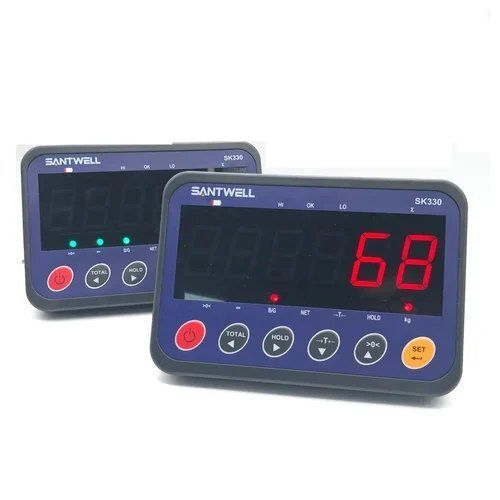
Electronic indicators on a digital conductivity meter are integral components designed to provide clear, real-time feedback on the devices functionality and measurement conditions. These indicators, prominently displayed on the meters digital screen, deliver essential information such as measurement units, calibration status, battery life, and operational modes. Typical indicators include symbols for calibration (e.g., CAL), measurement unit selection (e.g., S/cm, mS/cm), and active features like temperature compensation (e.g., ATC).
Additionally, electronic indicators alert users to potential issues, such as low battery warnings or maintenance needs, ensuring the meter operates effectively. By providing instant and intuitive feedback, these indicators enhance user experience, making it easier to perform accurate measurements and maintain the device. The clear and accessible display of electronic indicators supports efficient monitoring and data analysis across a range of applications, from laboratory testing to industrial processes.
| Display Type |
digital |
| Mounting Type |
Wall Mounting |
| Model Name/Number |
Electronic Indicators |
| Usage/Application |
Industrial |
| Automation Grade |
Automatic |
| Color Printing |
Color Printing |
| Country of Origin |
Made in India |
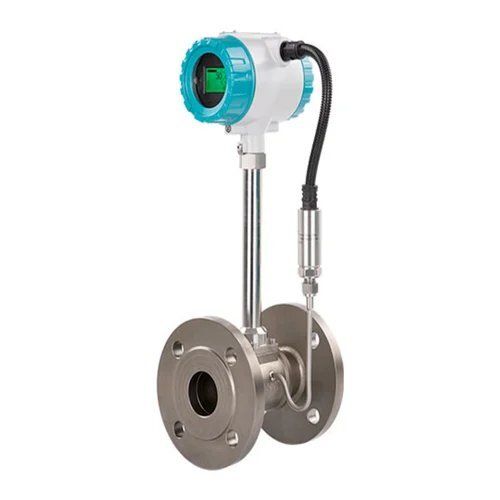
Superior Digital Precision for Industrial Flow MeasurementDesigned for industrial environments, the Electronic Indicator ensures high-accuracy flow readings for pipes ranging from 15mm to 600mm in diameter. Featuring a clear digital display and a broad temperature tolerance of up to 80C, this device streamlines process monitoring and control. Its robust ABS plastic housing and resistance to variable humidity make it a durable choice for manufacturing operations.
Versatile Connectivity and User-Friendly FeaturesEquipped with RS485 and GSM/GPRS connectivity, the Electronic Indicator enables seamless integration with control systems and remote monitoring capabilities. Its simple interface, supporting both flowrate and totalizer displays, ensures users can access necessary data quickly and efficiently. This technology benefits industries requiring timely and actionable information for process optimization and maintenance.
FAQ's of Electronic Indicators:
Q: How is the Electronic Indicator installed and integrated into existing industrial systems?
A: The Electronic Indicator is designed for easy installation with standard mounting options. Its connectivity through RS485 or GSM/GPRS allows for straightforward integration with industrial control systems, ensuring compatibility with various process setups.
Q: What makes this Electronic Indicator particularly suitable for industrial applications?
A: This indicator supports a wide measurement range (diameter 15mm to 600mm), tolerates temperatures up to 80C, and operates reliably in humid conditions (5-95% RH). Its robust ABS plastic construction ensures durability in challenging industrial environments.
Q: What are the benefits of its digital-only display and high resolution?
A: The digital display provides precise and easily readable measurements, reducing the risk of manual reading errors. The high-resolution flowrate display and 10-digit totalizer facilitate accurate monitoring and data recording, supporting effective process management.
Q: When should the device be used for optimal performance and accuracy?
A: The device is best utilized in industrial applications requiring real-time monitoring of flow rates between 10-300 LPM, under pressure up to 10 bar and within the specified temperature and humidity ranges. Regular calibration and maintenance ensure sustained accuracy.
Q: Where can the Electronic Indicator be deployed within an industrial facility?
A: The indicator is ideal for use in pipelines, processing lines, and monitoring stations across manufacturing plants. Its compact dimensions and durable design make it suitable for both centralized and remote locations within a facility.
Q: What is the process for data collection and transmission using this device?
A: The Electronic Indicator collects flow data via its sensors and presents it digitally. Using RS485 and GSM/GPRS connectivity, the data can be transmitted to centralized control panels or remote monitoring systems, facilitating quick access and analysis.
Q: How does the Electronic Indicator enhance operational efficiency in industrial settings?
A: By providing accurate, real-time flow and totalizer readings, this device empowers operators to make informed decisions, reduces downtime through timely alerts, and supports preventive maintenance, ultimately improving process reliability and resource management.







 Send Inquiry

 Send Inquiry
 Send Inquiry
 Send SMS
 Call Me Free


 English
 Spanish
 French
 German
 Italian
 Chinese (Simplified)
 Japanese
 Korean
 Arabic
 Portuguese